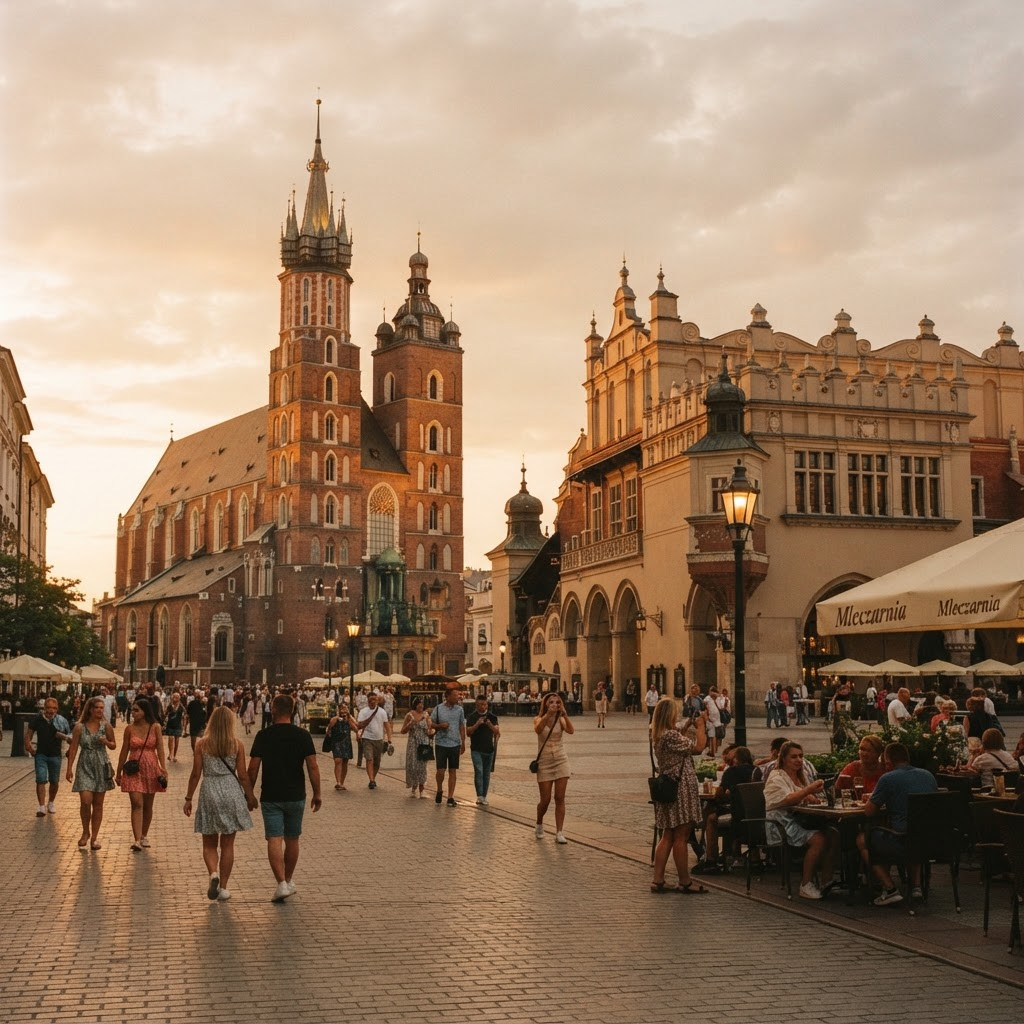
Gathering Genealogical Records Across Central Europe
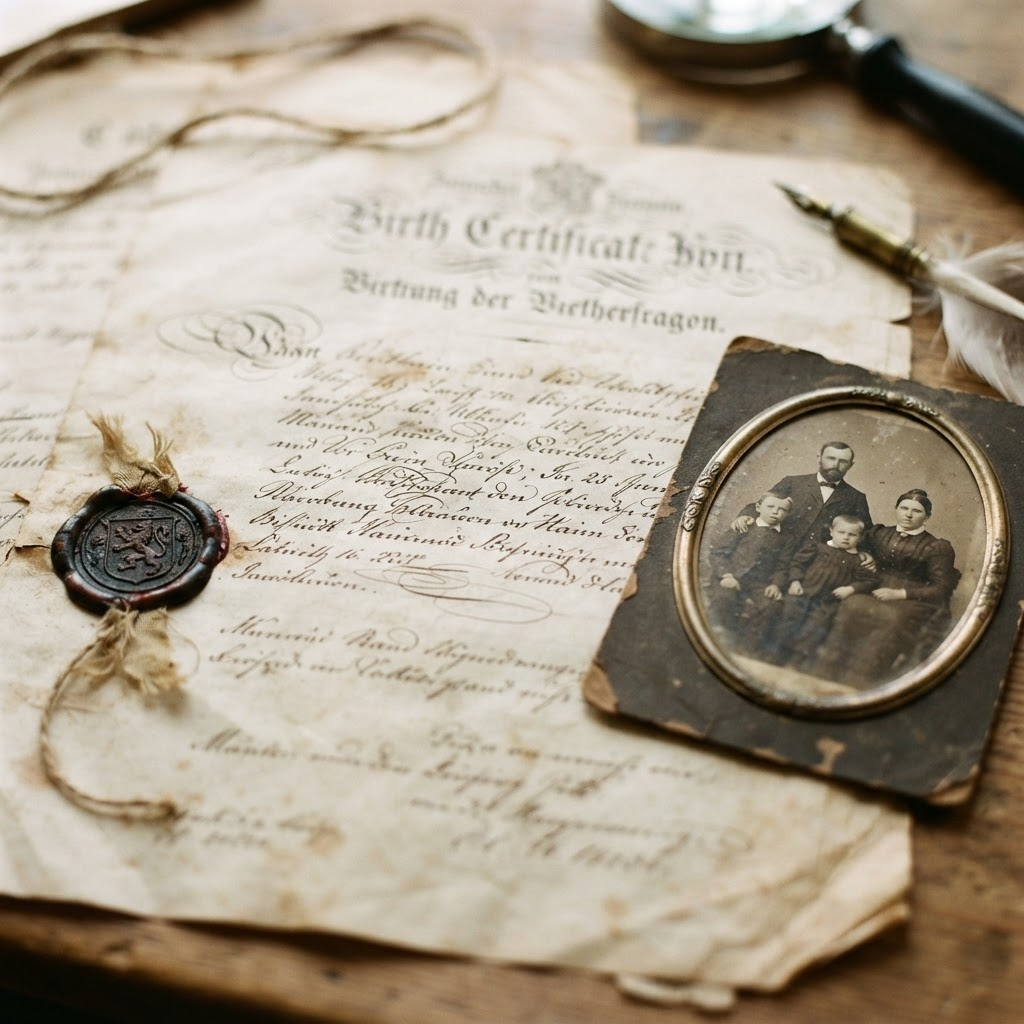
The single biggest hurdle in a descent application is proof. We share how archival research uncovers the documents that make a case succeed.
Every successful citizenship by descent application rests on documents: vital records that prove who your ancestors were, where they were born, and that they held the citizenship you are claiming. In Central Europe, these records are scattered across national archives, regional offices, religious institutions and, increasingly, digitised collections.
Our first step is always to map the family. A clear genealogical tree tells us which records must exist and where they are most likely held. From there, we submit formal requests to the holding institutions, many of which require correspondence in the local language and knowledge of their internal cataloguing systems.
Older records present their own difficulties. Handwriting, archaic scripts and languages such as Latin, German, Hungarian or Russian appear depending on which empire administered the region at the time. Reading and correctly interpreting these documents is a specialist skill that can make or break a case.
When original records have been lost, we turn to secondary sources — census returns, military rolls, notarial deeds and emigration manifests — to reconstruct the evidence. Thorough, methodical research is what transforms a promising family story into a legally sound application.
Wondering if this applies to your family?
Take our short eligibility checker or request a full assessment from our team.